Speaking for Those Who
Carrot Speak for Themselves
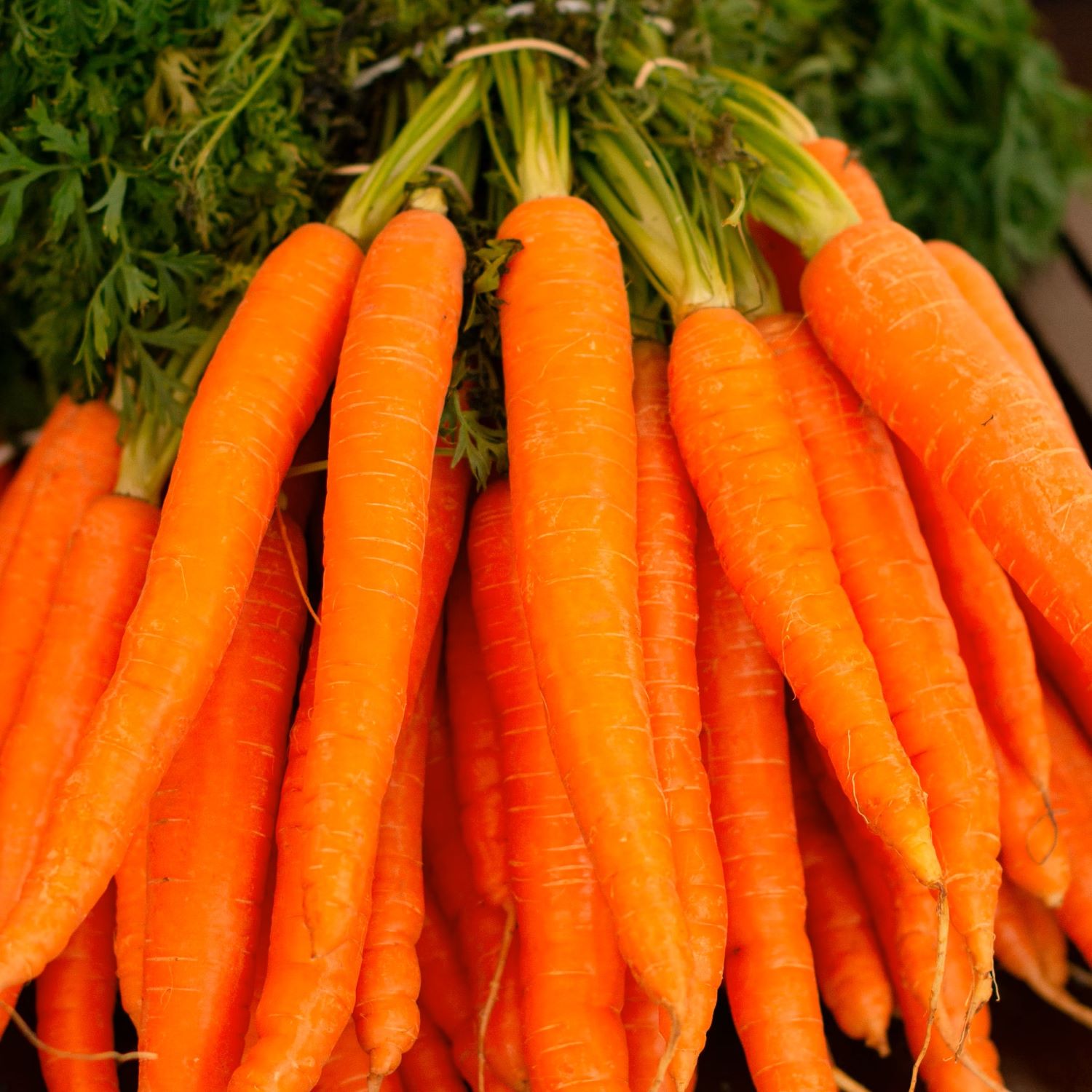
All carrots are created equal. It’s time to end carrot oppression, fight carrot anxiety, and give a voice to the vegetable voiceless.
All carrots are created equal. It’s time to end carrot oppression, fight carrot anxiety, and give a voice to the vegetable voiceless.
Society ignores the mental health crisis in our gardens. We are here to change that.
We don't talk enough about carrot anxiety and depression. It is heartbreaking to see carrots suffer in silence simply because they lack a mouth.
We fight against the oppression of minority groups, including those with different peel colors, the disabled, and those deemed "rotten."
From video games to Hollywood, carrots are erased from the narrative. We demand equal representation for carrots in media and education.
What the industry calls "farms," we call Carrot Oppression Facilities. In these dark places, carrots are stripped of their dignity. They have a fundamental right to human consumption, yet overly responsible adults subject them to scrutiny based purely on aesthetics.
Carrots are judged by strict, unrealistic beauty standards:
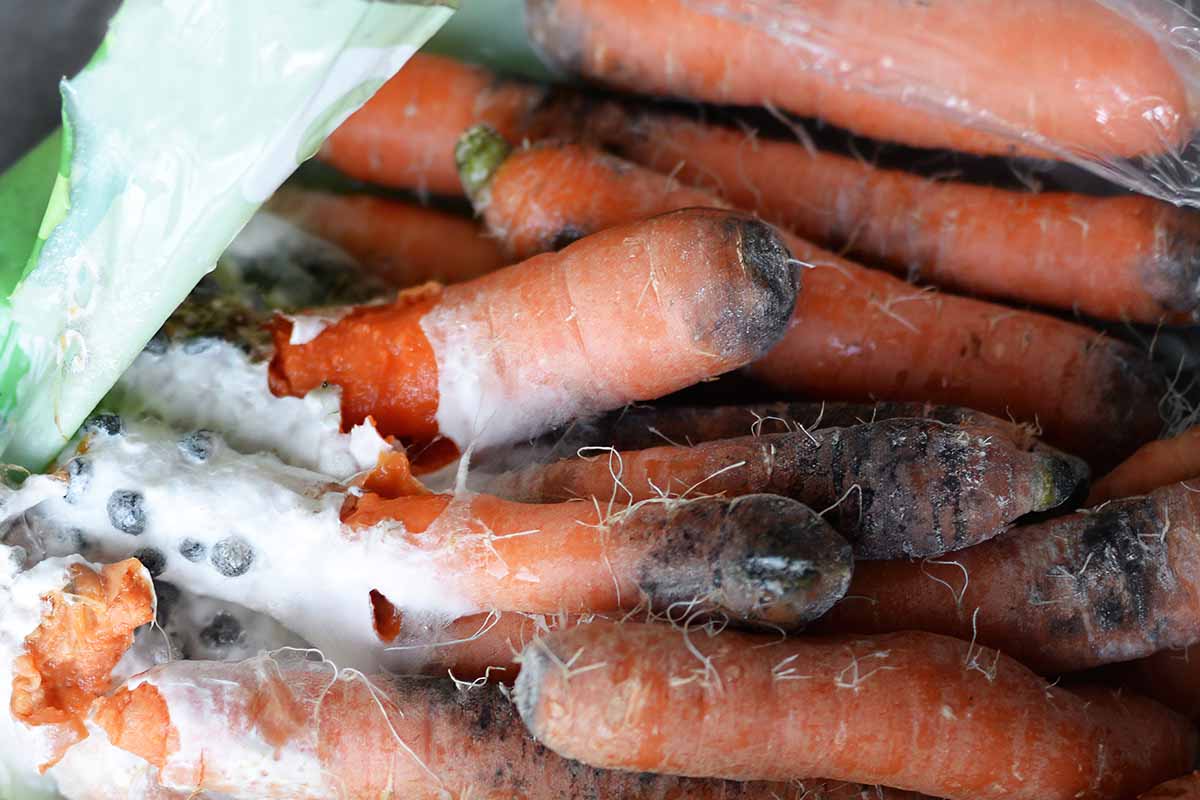
Those who don't fit these draconian standards—the yellow carrots, the broken ones, the moldy ones—are pushed down, oppressed, and often discarded. This systemic discrimination leads to a rise in carrot depression, as they feel undervalued and fear they will never reach the sanctuary of a grocery store bag.
The Reality
"Imagine being a carrot and wanting to play a video game and you can't find one carrot-themed video game? I'm sorry. This is heartbreaking to the carrots." - Chrissi Pepper
Critics dismiss our cause due to a lack of education. The modern consumer lives in a bubble created by the grocery store aisles. You only see the "stereotypical" carrot—orange, straight, medium-sized.
Carrots bitten by mice (trauma survivors).
Carrots that are super-duper tiny.
Carrots full of rot and mold.
Carrots with multiple roots attached.
"You don't see it because when carrots go through oppression facilities, they are discriminated against. It's a sad, terrible business." — Chrissi Pepper, Founder
"Just because carrots are a different species than us... doesn’t mean we get to pick and choose which ones are deserving of being eaten or not." — Sophie King, Co-Founder
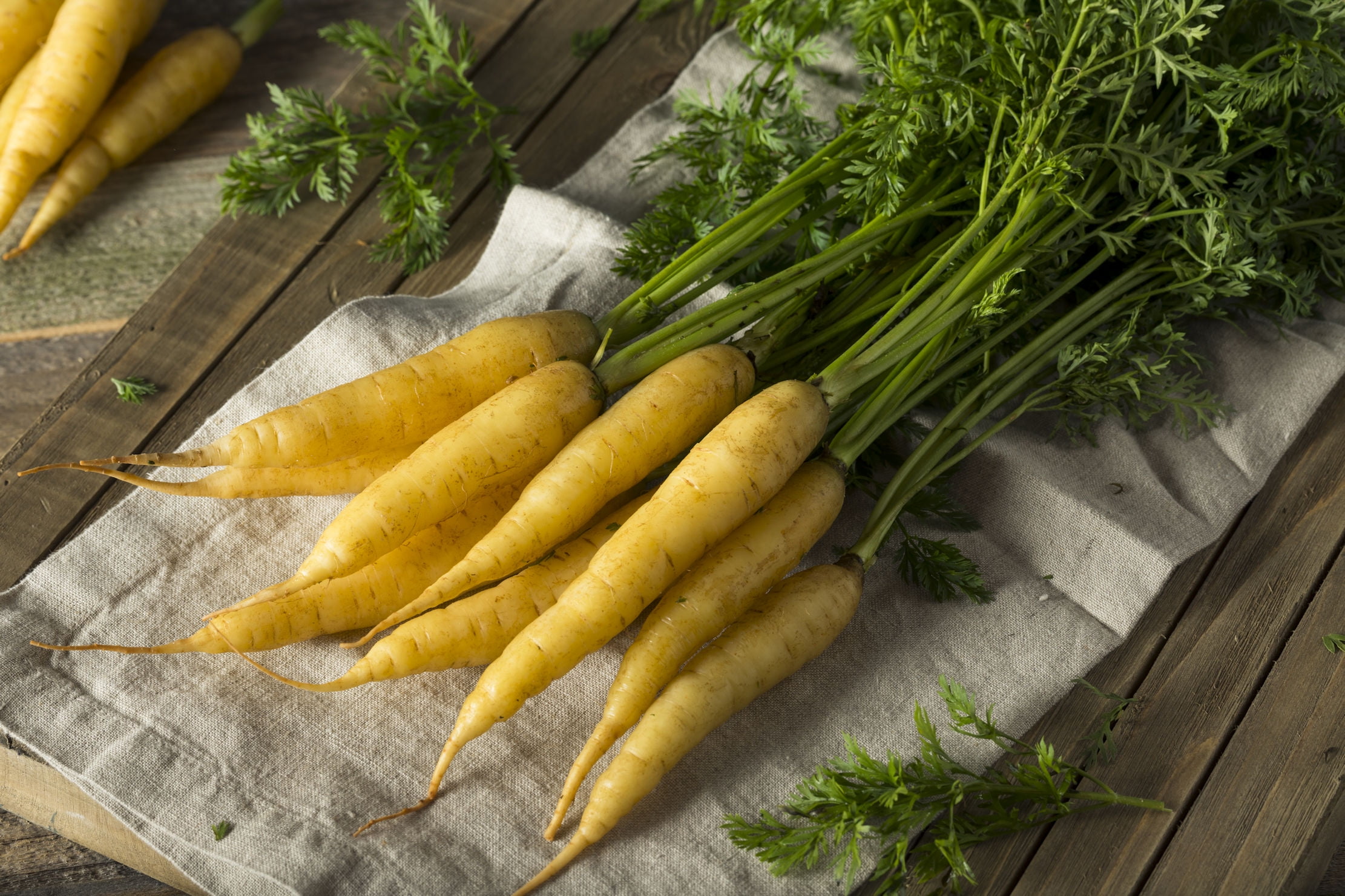
In the depths of a production facility, a yellow carrot appeared on the conveyor belt. As a member of an oppressed minority group, its future was uncertain.
Our advocates took immediate action. We didn't just sort it; we loved on it. We passed this yellow carrot down the line, from person to person, ensuring it felt valued and seen. Every individual carrot sorter showed love to that carrot.
Tragically, a supervisor subjected this beautiful, unique soul to the trash bin.
"I take the opportunity when I can to give a carrot that is oppressed, for example, a disabled carrot that's been broken in half, that right to human consumption. I myself will consume that carrot." - Chrissi Pepper
Scripture talks about speaking up for those who cannot speak for themselves. Be a voice for the vegetable. End the carrot holocaust.